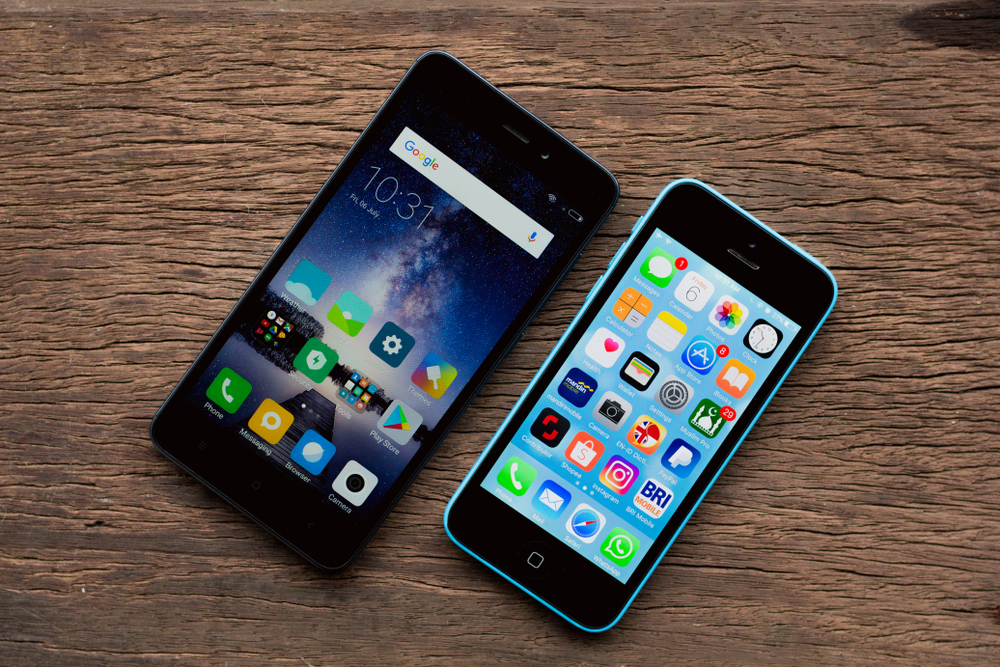
Mobile apps have become an integral part of our lives. Whether it's shopping, socializing, or even managing finances, there's a mobile app for almost everything. However, with millions of apps available in the app stores, how can you ensure that your app stands out and attracts users? The answer lies in effective mobile app marketing strategies. In this ultimate guide, we will explore the various techniques and expert tips to boost the promotion of your mobile Android or iOS app .
1. Define Your Target Audience
Before diving into any marketing efforts, it's crucial to identify your target audience. Who are the people that would benefit most from using your app? What are their preferences and pain points? Conduct thorough market research to gain insights into your potential users. This will help you create targeted marketing campaigns and personalized messages that resonate with your audience.
2. Optimize Your App Store Listing
The app stores are overcrowded, making app store optimization (ASO) vital for success. Start by optimizing your app's title and description with relevant keywords. Include high-quality screenshots and videos that showcase the app's features and benefits. Encourage users to leave positive reviews, as this can significantly impact your app's search visibility and download rates.
3. Leverage Social Media Marketing
Social media platforms are excellent channels to promote your mobile app and engage with your target audience. Establish a strong social media presence on platforms like Facebook, Twitter, Instagram, and LinkedIn. Share engaging content related to your app, such as tips, updates, and user testimonials. Leverage targeted advertising to reach potential users who match your app's target demographics.
4. Influencer Marketing
Collaborating with influencers can give your app an instant boost in visibility and credibility. Identify influencers in your niche who have a significant following and are likely to resonate with your target audience. Engage them in promoting your app through sponsored posts, videos, or reviews. This can drive more downloads and create a buzz around your mobile iOS or Android app .
5. App Store Ads
App store ads can be an effective way to reach users actively searching for apps. Platforms like Google Play and Apple's App Store offer various ad formats, including search ads and display ads. Target your ads using relevant keywords and demographics to maximize their effectiveness. Monitor and optimize your app store ad campaigns regularly to ensure you're getting the best return on investment.
6. Content Marketing
Content marketing is a powerful tool for building awareness, driving traffic, and acquiring users. Create valuable content related to your app's niche, such as blog posts, articles, infographics, and videos. Optimize your content with relevant keywords to improve its search visibility. Share your content on your app's website, blog, social media channels, and other relevant platforms to attract organic traffic and generate interest in your app.
7. App Store Optimization for Increased Visits
Having a well-optimized app store listing is crucial, but driving traffic to your app is equally important. Make use of search engine optimization (SEO) techniques to increase your app's visibility in search engines. Optimize your website, blog, and other online platforms with relevant keywords and backlinks to drive organic traffic that converts into app downloads. Additionally, consider running paid search ads to target users searching for similar apps.
Frequently Asked Questions:
1. How long does it take for a mobile Google Play or App Store app to gain traction?
There is no definitive answer to this question. The time it takes for a mobile App Store or Google Play app to gain traction depends on various factors, including the app's uniqueness, market competition, marketing efforts, user experience, and overall demand for the app's features.
2. Is it necessary to hire a marketing agency for mobile app promotion?
Hiring a marketing agency can be beneficial, especially if you lack the resources or expertise to execute an effective marketing strategy independently. However, it's not mandatory. With the right knowledge and effort, you can promote your app successfully on your own.
3. What is the role of app analytics in mobile app marketing?
App analytics provide valuable insights into user behavior, engagement metrics, and app performance. By analyzing these metrics, you can identify areas for improvement, optimize user experience, and refine your marketing strategies to increase app downloads and user retention.
4. Can app store reviews affect app downloads?
Yes, app store reviews have a significant impact on app downloads. Positive reviews can instill trust and confidence in potential users, encouraging them to download your app. Conversely, a large number of negative reviews can deter users from trying your app.
5. How can I retain app users after they've downloaded my app?
User retention is crucial for the long-term success of your mobile app. Focus on delivering an exceptional user experience, consistently updating your app with new features, and fostering engagement through push notifications, personalized offers, and loyalty programs. Encourage users to provide feedback, address their concerns promptly, and continuously improve your app based on user insights.
In conclusion, effective mobile app marketing strategies require a multi-faceted approach that encompasses app store optimization, social media marketing, influencer collaborations, content marketing, and targeted advertising. Understanding your target audience and optimizing your app's visibility are key to attracting and retaining users. By implementing the tips and tricks outlined in this guide, you'll be well on your way to boosting the promotion of your mobile app and achieving success in the competitive app market.
Other useful resources
- https://simple.wikipedia.org/wiki/App_Store_(iOS)
- https://en.wikipedia.org/wiki/App_store_optimization
- https://en.wikipedia.org/wiki/Android_(operating_system)
- https://en.wikipedia.org/wiki/Mobile_app_development